HOME › ON THE TABLE › KITCHEN 101
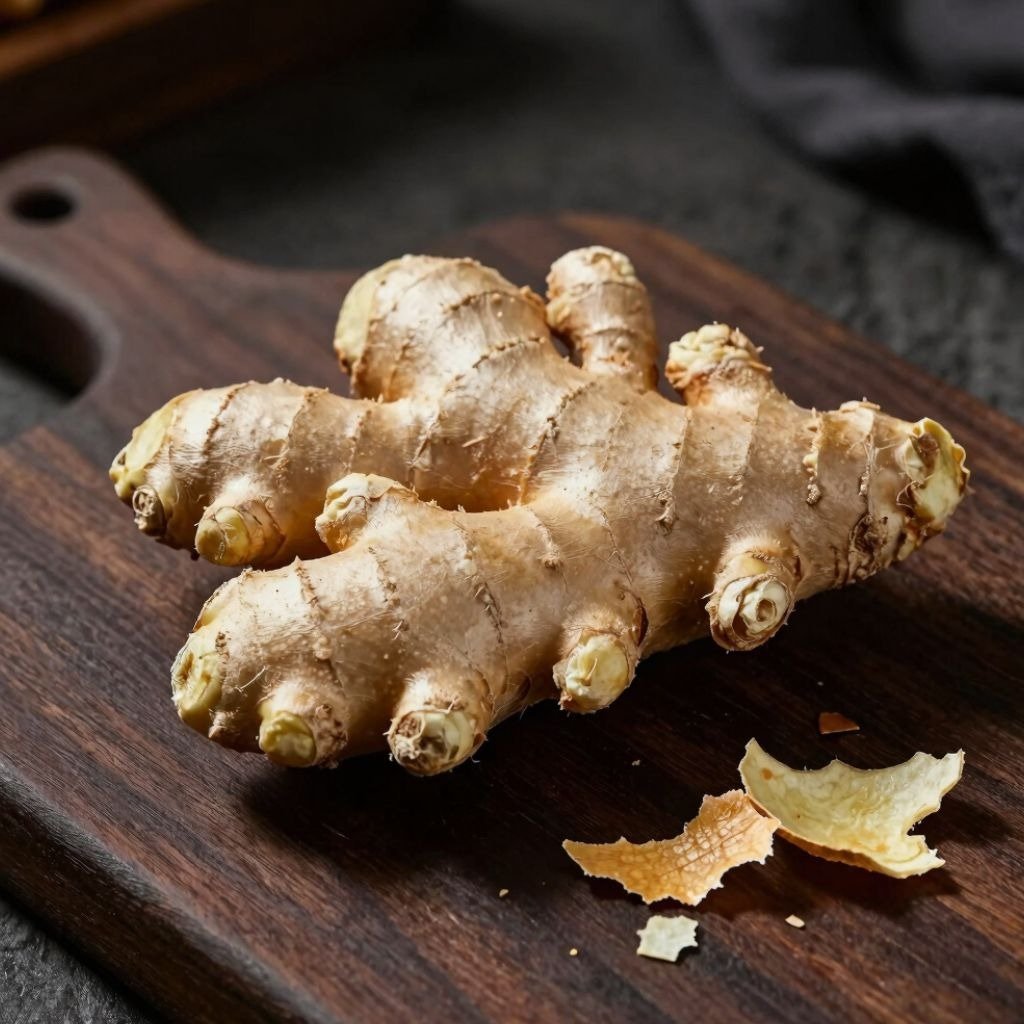
The Ginger Guide Every Home Cook Needs
I used to keep a jar of powdered ginger in the spice cabinet and call it a day. It did the job, technically. Then a few years back I picked up a knob of fresh ginger on a whim while grocery shopping, grated some into a stir-fry that night, and genuinely stopped mid-bite. The flavor had this sharp, citrusy heat to it that the powdered version never came close to delivering. That one small swap changed how I cook with ginger permanently, and it’s the reason this root now lives in my kitchen full-time rather than making the occasional cameo.
Ginger carries a reputation for flavor, and it earns that reputation honestly. It also carries a quieter reputation among researchers, one that’s worth paying attention to. A review published through the National Institutes of Health’s National Library of Medicine points to gingerol, the primary bioactive compound in fresh ginger, as the source of much of its anti-inflammatory and antioxidant activity. That same compound shows up in research tied to nausea relief, with studies cited by the NIH showing ginger’s effectiveness for motion sickness and pregnancy-related nausea standing up fairly well across multiple trials. Digestion gets a boost too – ginger speeds gastric emptying, which is a clinical way of saying it helps food move through your system more comfortably, something plenty of people notice anecdotally long before they ever see the research behind it.
None of that means ginger replaces medical care for anything serious, and it’s worth checking with a doctor before using it medicinally if you’re pregnant, on blood thinners, or managing a chronic condition. What it does mean is that the habit of cooking with fresh ginger regularly carries benefits that go well past flavor, which makes the case for keeping it on hand even stronger.
Choosing ginger that’s worth bringing home
Here’s something most produce aisles don’t make obvious: not every knob of ginger sitting in that bin is equally good. The ones worth grabbing feel firm and heavy for their size, with skin that’s smooth and taut rather than wrinkled or shriveled. A wrinkled piece usually signals the root has started drying out from the inside, which means less juice and a milder, less interesting flavor once you cut into it. Give it a light scratch with your fingernail near the end – if it smells sharp and peppery right away, that’s a good piece. If it smells faint or musty, keep looking.
The techniques that produce great results
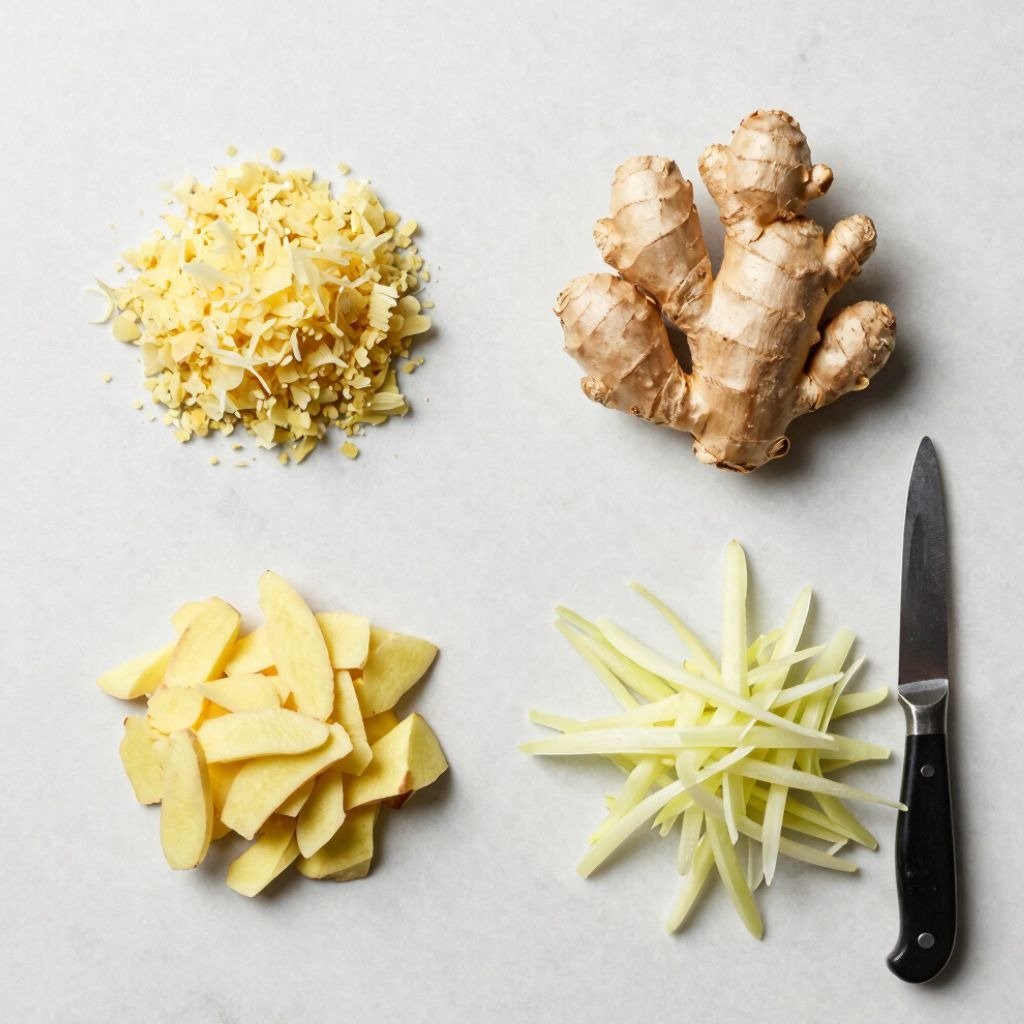
Once peeled, how you cut ginger changes what it does in a dish. Grating it on a microplane produces a fine, almost pulpy texture that disappears into sauces, marinades, and dressings without any noticeable bite – perfect for something like a salad dressing where you want the flavor without the texture. Mincing it by hand gives you small, visible pieces that hold their shape and deliver little bursts of heat throughout a dish, which works well in stir-fries or fried rice. Thin slices, cut against the grain, release flavor slowly into simmering liquids like broths or teas, which makes slicing the right call anytime you’re steeping rather than stir-frying. Julienning – cutting it into thin matchsticks – gives you a texture that holds up in quick-cooking applications and adds a bit of visual interest to a finished plate, something I lean on often for soups and noodle dishes where I want the ginger to be seen as well as tasted.
Peeling ginger with a knife works, but it wastes a surprising amount of the root and takes longer than it needs to. The better method, one that professional kitchens have used for years, involves scraping the skin off with the edge of a spoon. The spoon follows the root’s natural contours without digging into the flesh underneath, which means less waste and a faster job overall. I was skeptical the first time someone showed me this trick, assuming a spoon couldn’t possibly out-perform a sharp knife. It does, every time.
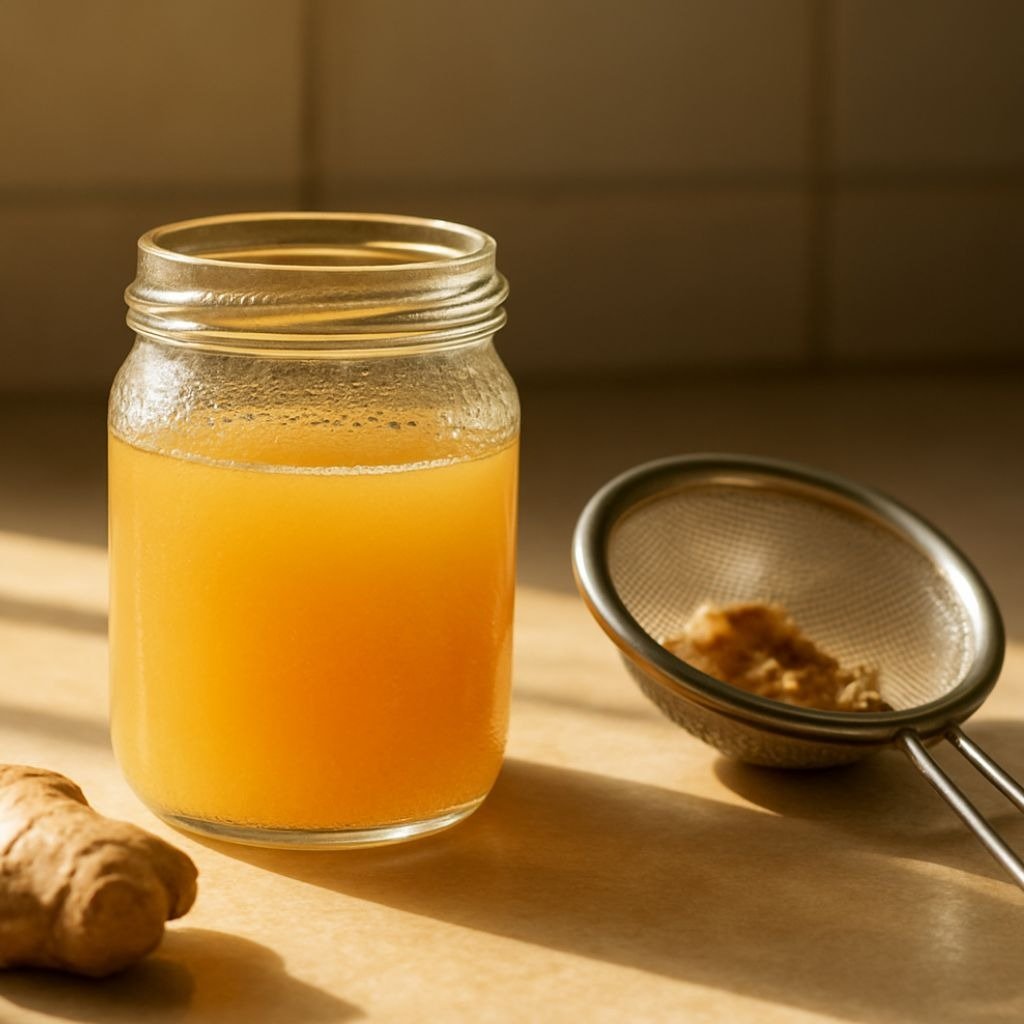
There’s a fifth technique worth knowing that doesn’t get mentioned nearly enough: making ginger paste or ginger juice. Blending peeled ginger with a small amount of water until smooth creates a paste that works beautifully stirred into marinades or whisked into salad dressings, and it keeps in the fridge for about two weeks in a sealed container. For ginger juice, that same paste pressed through a fine strainer or cheesecloth gives you a concentrated liquid that’s strong enough to flavor an entire pot of soup with just a tablespoon or two. I keep a small jar of this juice in my fridge most weeks now – it’s become one of those quiet kitchen shortcuts that makes weeknight cooking faster without sacrificing flavor.
Storing techniques to help your ginger last longer
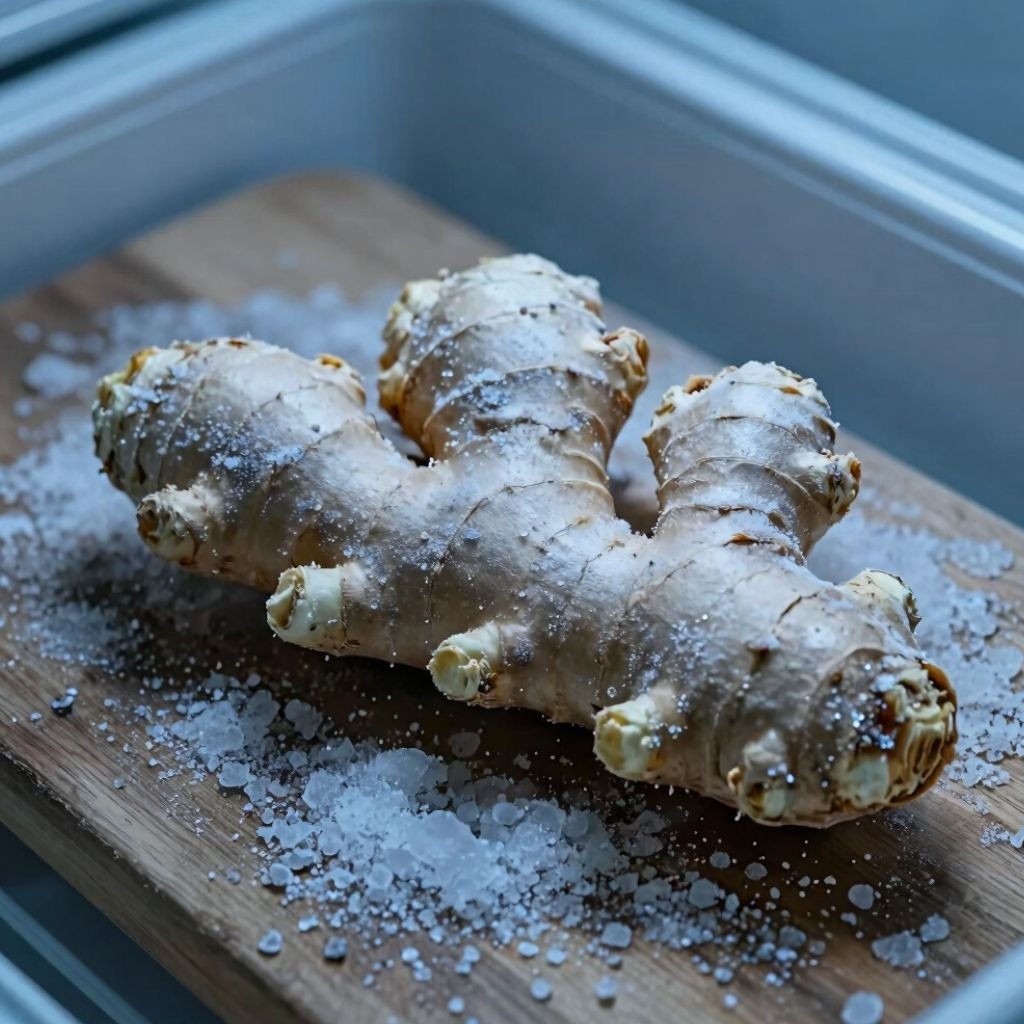
Fresh ginger stored properly lasts far longer than most people assume. In the fridge, an unpeeled piece wrapped loosely in a paper towel and placed in a plastic bag stays good for three to four weeks, sometimes longer. For anyone who only needs small amounts at a time, freezing is the real game-changer. A whole, unpeeled knob freezes well for several months, and frozen ginger actually grates more easily than fresh since the texture firms up in the freezer. I started keeping a piece in my freezer specifically for this reason, grating what I need directly from frozen and tossing the rest back in without ever having to think about it going bad on the counter.
There’s more to ginger than meets the eye
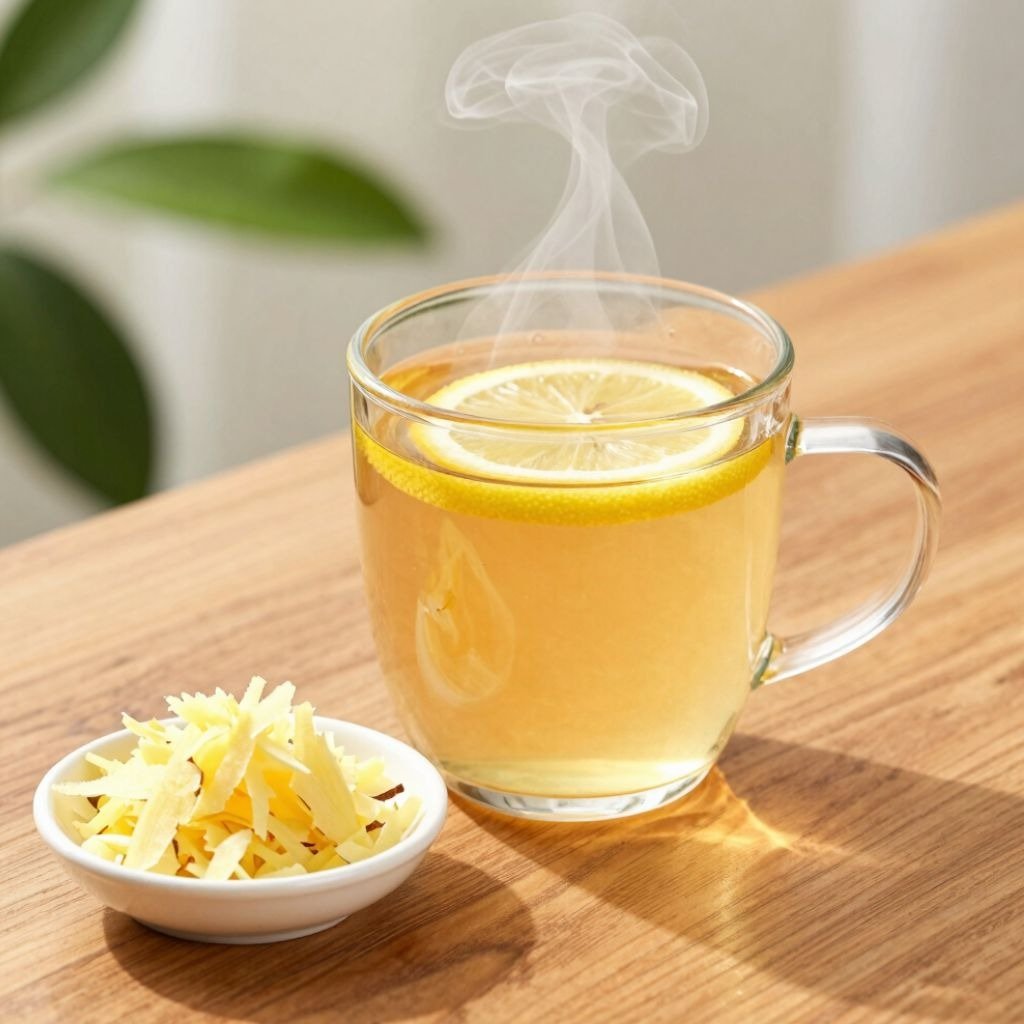
What changed my relationship with ginger wasn’t a single recipe or a single health claim – it was realizing how much range one root actually has. A thin slice steeped in hot water turns into a simple tea on a morning when my stomach feels off. A spoonful of grated ginger stirred into a marinade the night before turns an ordinary dinner into something with real depth. A tablespoon of ginger juice added to a pot of soup in the last few minutes of cooking brightens the whole thing up in a way that’s hard to pin down but impossible to miss once it’s there.
Keep a piece in the fridge, keep a piece in the freezer, and give the spoon-peeling trick a try the next time a recipe calls for it. Ginger rewards the people who take the time to actually learn it, and once that flavor clicks for you the way it clicked for me, it’s hard to imagine cooking without it again.
Explore the Soul Foodie recipe collection and put these techniques to work.